
No reviews yet
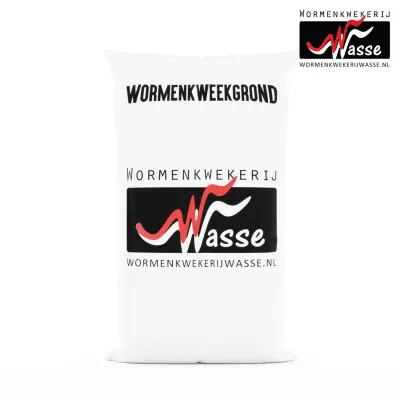
Breeding soil for worms
Underlayer mix, Bedding in 20 liter bag, breeding ground for the worms What is underlay...
€15.95
In stock
1
Secure paymentiDEALKlarnaSEPAKBCPay
Shipped within 1-3 days (NL)
Free pickup at our location
4.8 rating on Google
Goes well with


Description
Underlayer mix, Bedding in 20 liter bag, breeding ground for the worms
What is underlay mix/ Bedding
Underlay mix or bedding is a mixture of peat, leaf compost, lava flour and cellulose. The composition of the cultivation soil has been renewed, so there is only a small percentage of peat in it. Cellulose is a polysaccharide that is made by almost all plants (especially trees). The cellulose serves as food for the worms. There are only natural additives in the soil.
Benefits of underlayment mix/Bedding
This soil mixture is specially made for worms. This ensures that the worms grow well and can lay cocoons. Ideal for those who want to grow worms themselves without the hassle or who want to store worms all year round. The bottom layer mix can also be used in combination with a worm tower.
When you see that the ground has turned into small grains or when the worms are on top of the ground and want to crawl out of the tank. Could it be that the soil needs to be refreshed? 1 kilo of worms consumes about 10 liters of substrate mix/growing soil per 4 to 5 weeks. When the worms are kept cool, the worms take a lot longer here.
Ideal soil for the worms
With nutrition in the ground for the worms
Promotes cocoon production
For a good start or refreshment of your old soil
Ingredients & recipe
Mixture including leaf compost, lava meal and cellulose, without peat and with natural additives only.
How to use it
- Use as starter substrate or to refresh old substrate in a worm bin or worm tower.
- Replace it when the substrate has completely turned into small granules or worms remain on top and try to leave the bin.
- As a guideline, 1 kg of worms uses approximately 10 litres of substrate every 4–5 weeks; this takes longer when kept cool.
Technical details
- Available product variants: 1
Some alternative solutions


Frequently asked questions
What is the worm breeding substrate made from?
The mix includes leaf compost, lava meal and cellulose, contains only natural additives and is peat-free.
When should I replace the breeding substrate?
Replace it when it has turned into small granules or when worms remain on top and try to crawl out of the bin.
What do customers think?
No reviews yet